Bringing a half pallet of Egyptian produce into the European Union takes the same paperwork as bringing twenty. The plant health regime does not scale with quantity, so the fixed cost of a part-load is proportionally higher and the sequence matters more. This page sets out what a mid-size EU buyer has to have in place, in the order it happens, for the 2026/2027 season.
What Does the EU Require Before the Container Sails?
Most fresh fruit and vegetables from Egypt require a phytosanitary certificate issued by the Egyptian plant quarantine authority. Under the EU plant health rules in Regulation (EU) 2016/2031 and the official controls framework in Regulation (EU) 2017/625, the consignment must also be pre-notified by the importer in TRACES NT using a Common Health Entry Document for plants and plant products, the CHED-PP, and must arrive at a designated Border Control Post approved for that category of goods.
Three practical consequences follow for a part-load buyer. The importer of record, not the exporter, files the CHED-PP. The consignment can only be discharged where an approved BCP handles plant products. And the phytosanitary certificate must describe the goods exactly as the invoice and packing list do, because a mismatch on botanical name, quantity or packaging is the most common reason a small consignment is held.
What Checks Happen at the Border Control Post?
| Check | What is examined | Applies to |
|---|---|---|
| Documentary | CHED-PP, phytosanitary certificate, invoice, packing list | Every consignment |
| Identity | Seals, marks, that the goods match the documents | Sampled by commodity and origin |
| Physical | Pest inspection, sometimes residue sampling | Frequency set per commodity and origin, and revised periodically |
Physical check rates are set by the Commission and change, so ask your broker for the current rate on your specific commodity before you plan the release date. A part-load selected for physical inspection is opened as part of the whole container, which is why your co-loaders’ documents matter to you.
How Does Groupage Change the Paperwork?
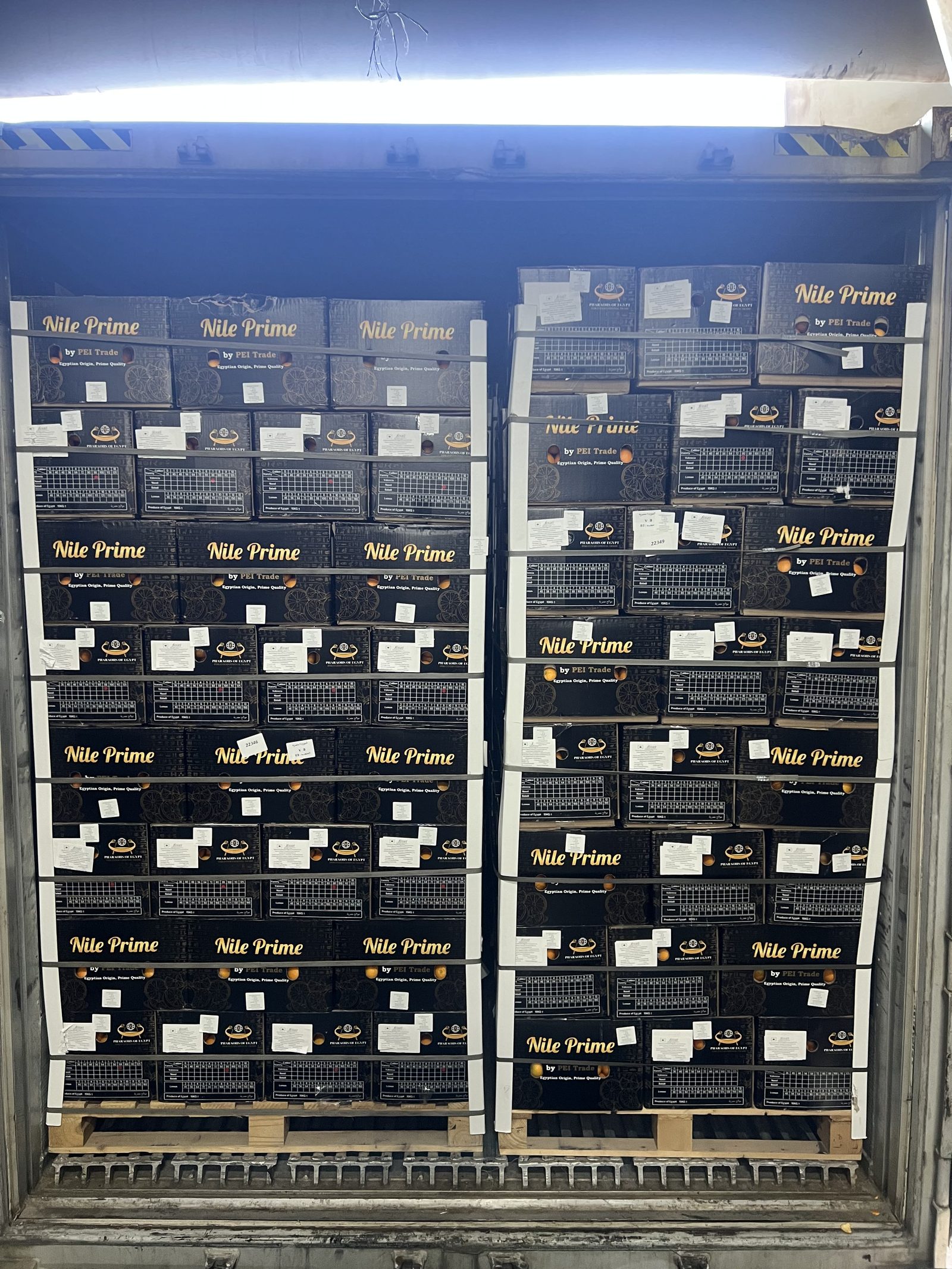
In a shared reefer each buyer has a separate commercial consignment, so each files a separate CHED-PP against a separate phytosanitary certificate covering their own goods. What is shared is the physical container, the bill of lading structure and the arrival timing.
That creates one dependency worth naming in advance. If one co-loader’s documentation is wrong, the container is held while it is resolved, and every other buyer waits. Before you join a groupage load, ask who else is on it, whether they are established EU importers, and who pays the storage if the delay is caused by someone else. How the underlying documents are split is set out in our note on documents on a shared Egyptian container.
Which Egyptian Products Suit an EU Part-Load?
Winter is when this works best. From November to April, Egyptian green beans, sugar snaps, colored peppers, fresh strawberries, oranges and mandarins are all in season while EU domestic supply is thin. A typical mid-size EU part-load in January is four to eight pallets across two or three items, moving on a 12 to 16 day sailing to Rotterdam, Antwerp, Hamburg, Genoa or Valencia.
Summer is harder to justify, because EU domestic production covers most of the range, and the products where Egypt still has an edge, mango and grape, need faster transit than a groupage schedule usually allows.
What Should a First-Time EU Part-Load Buyer Do First?
Register as an importer with your national plant health authority, get TRACES NT access set up, and appoint a customs broker who has already cleared plant products at your intended BCP. Doing this after the container has sailed is where first shipments go wrong. Buyers importing into Great Britain face a different and separate regime, which we cover in Egyptian part-loads into the United Kingdom.
Contact
Peivana consolidates mixed and part-loads out of Egypt for mid-size EU buyers, with GLOBALG.A.P and BRC certified supply. Message us on WhatsApp at +20 10 9911 1918 with your destination port, products and pallet quantity for a same-day quotation.