On a mixed part-load, a substitution is the agreed replacement for a line that the packhouse cannot fill in full on loading day. It is a normal part of buying several fresh products in small quantities, and it goes smoothly when the buyer has written down in advance what may replace what. It goes badly when the first conversation about it happens 12 hours before the reefer is stuffed.
Why a line comes up short
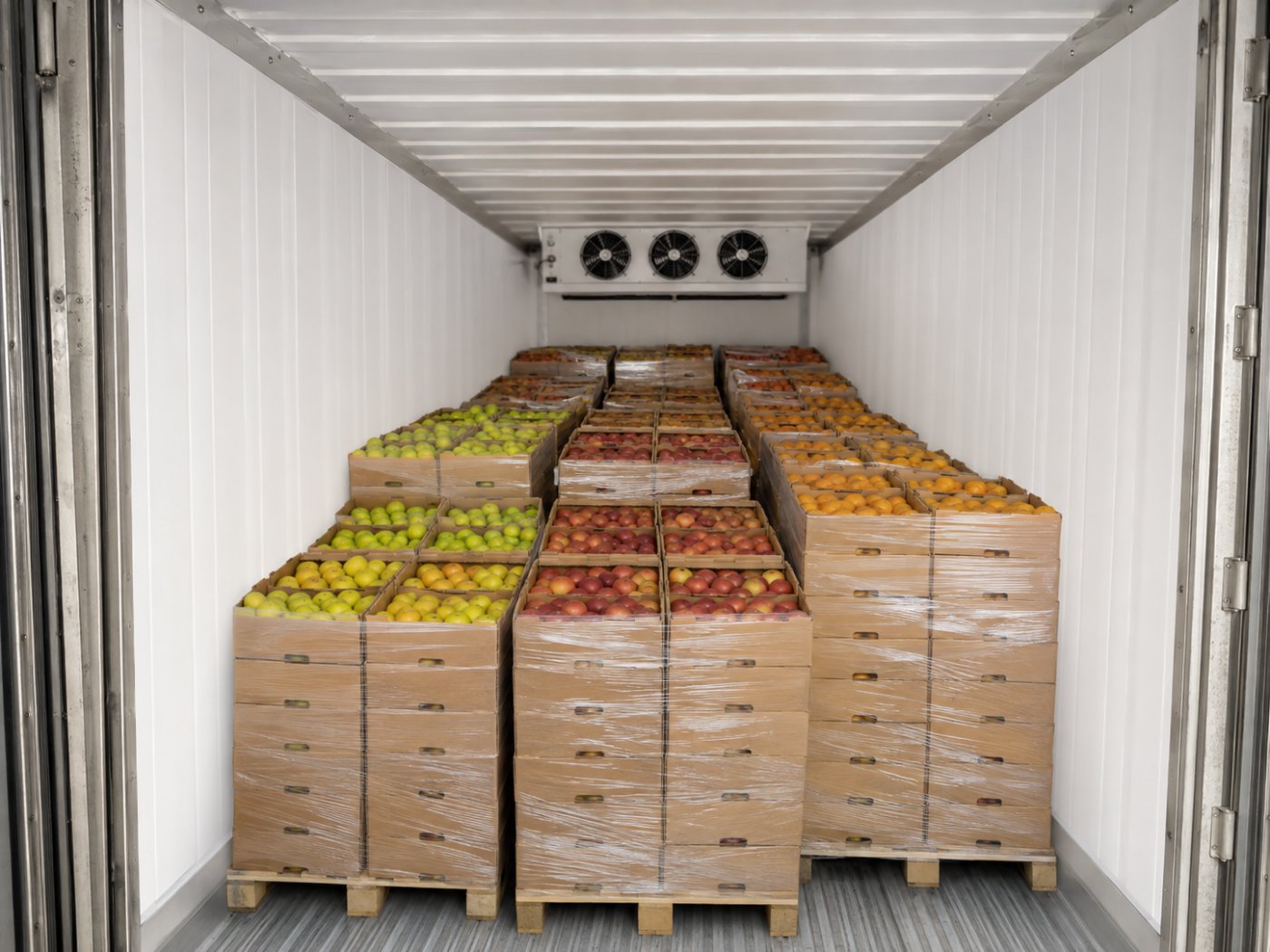
The usual cause is packout. A block of Navel oranges forecast to give 70 percent Class I in the requested counts gives 60 percent, or the sizing runs smaller than expected and count 72 is scarce while count 88 is plentiful. Rain can delay picking of strawberry or green bean by a day. A pomegranate block can grade harder than planned because of husk marks late in the season. None of these is unusual, and on a single-product full container the exporter can usually cover the gap from another block. On a part-load with five products and two pallets of each, there is less room to manoeuvre.
The four options
When a line is short, the buyer can accept an adjacent count or size of the same product, accept a different variety of the same product, short-ship the line and receive a credit, or hold the container for a day or two until the full quantity is packed. Holding costs money in cold store time and can miss the vessel cut-off, so it only makes sense for a line that is the reason for the whole order.
Agree a substitution list with the order
The simplest protection is a short list attached to the purchase order that states, line by line, what is acceptable. For example: Navel count 72 may be replaced by count 64 or 80 up to 30 percent of the line; Wonderful pomegranate count 10 may move to count 12; sweet potato 6 kg cartons may not be replaced by 13 kg cartons. Our note on writing a product specification for an Egyptian part-load covers the quality clauses this list sits beside.
Swaps that are never safe
Three substitutions should always need the buyer’s explicit approval. A lower quality class, because Class II under a Class I invoice is a claim waiting to happen. A different pack format, because it breaks the pallet plan and may not fit the buyer’s retail or repacking line. And any product with a different carrying temperature. Sweet potato stored at 13 to 15°C cannot quietly replace a line in a load running at 5°C for citrus and pomegranate.
Documents and price follow the change
The commercial invoice, packing list and phytosanitary certificate must describe what was actually loaded. A substitution agreed on the phone but not reflected in the documents causes trouble at destination inspection and, on a letter of credit, at the bank. The price moves with the product: a larger count is usually priced higher per carton, a smaller one lower, and the buyer should see the revised invoice before the truck leaves the packhouse. If short supply is a recurring issue in peak weeks, our note on how allocation is decided when supply runs short explains how a part-load buyer keeps priority.
Send your next mixed order with a one-line substitution rule for each product and we will confirm it against the packhouse forecast the same day. Message the Peivana desk on WhatsApp at +20 10 9911 1918.