Certification logos appear on every exporter website, ours included, and they are close to meaningless until you know what each one covers and how to check it is current. Mid-size buyers ordering part-loads often assume certification is something only large retail programmes need to worry about. In practice it matters just as much on a two-pallet order, because your own customers will ask, and because a certificate is the cheapest form of due diligence available to you.
The two standards cover different things
GLOBALG.A.P is a farm-level standard. It covers how the crop was grown: plant protection product use and record keeping, pre-harvest intervals, irrigation water quality, worker welfare and hygiene, and traceability from the field. It says nothing about what happens after the produce leaves the farm.
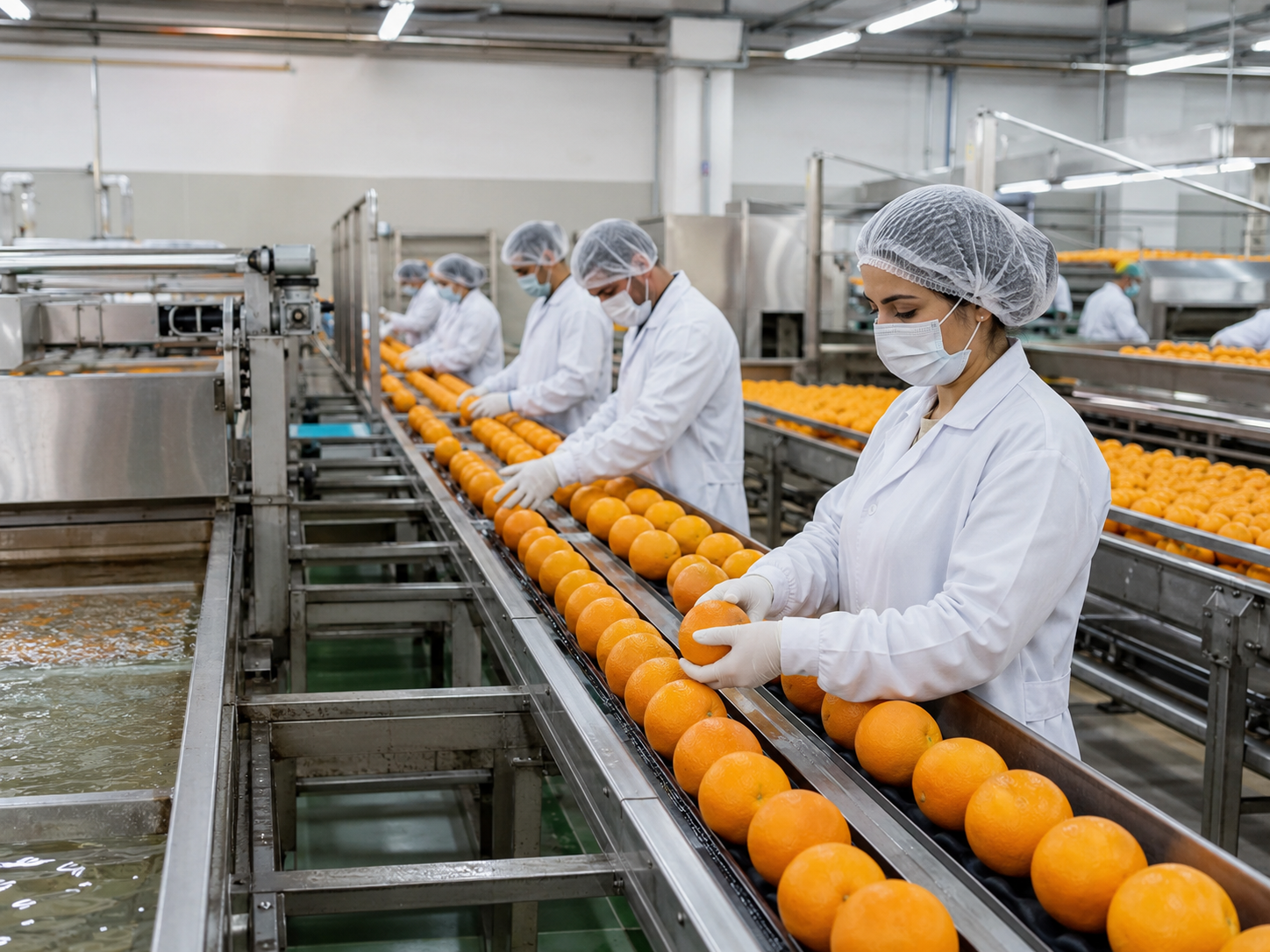
BRCGS Food Safety is a facility-level standard covering the packhouse or processing plant. It addresses hazard analysis, building fabric and hygiene, foreign body control, allergen management, personnel practices, and product traceability including a documented recall procedure. It says nothing about how the crop was grown.
The two are complementary and neither substitutes for the other. A supplier with only farm certification and an uncertified packing facility has a real gap, and so does the reverse. Peivana works with GLOBALG.A.P certified growers and BRC certified packing facilities, and we provide both certificates on request before an order rather than after it.
What a GGN is and why you should record it
A GGN is a 13 digit GLOBALG.A.P number tied to the certificate holder. It is the reference by which a certificate is looked up and verified. On retail programmes it often appears on the carton itself. On a part-load into a wholesale channel it usually does not, which makes it more important to hold in your own supplier file.
Ask for the GGN and the certificate PDF at the enquiry stage. A GGN can be checked independently in the GLOBALG.A.P database, which shows the certificate status, the scope of products covered, and the validity dates. That check takes two minutes and is worth doing before the first order rather than during an audit.
Three things to verify on any certificate
First, the validity dates. Certificates are annual and a certificate that expires in the middle of your programme creates a gap your own customer may not accept. Second, the scope. A GLOBALG.A.P certificate lists the specific crops covered. A certificate covering oranges does not cover the onions on the same pallet. Third, the entity name. The certificate must be in the name of the farm or facility actually producing your goods, not a trading company that buys from certified and uncertified sources alike.
Certification on a mixed container
This is where part-load buyers get caught. A mixed container carrying five products may draw on more than one farm and more than one packing line. Certification does not travel with the container, it attaches to each product from each source. If your customer requires certified supply across the whole load, say so at the enquiry stage so the sourcing is planned accordingly. Our note on documentation for a mixed Egyptian container covers how the paperwork is assembled across several products.
What certification does not do
Certification is a systems audit, not a guarantee of the condition of the goods in front of you. A BRC certified packhouse can still ship a pallet that arrives short of specification, and a GLOBALG.A.P certificate does not confirm that a particular lot meets your destination MRLs. For that you need lot-level residue analysis and, where the value justifies it, third party pre-shipment inspection.
Nor does certification substitute for your own arrival check. Whatever the paperwork says, the first hour after the doors open is when the condition of the load is established. Our note on container arrival checks on Egyptian produce sets out what to record.
What to hold on file
Before your first shipment, request and file the GLOBALG.A.P certificate with GGN, the BRCGS certificate with grade and audit date, the packhouse traceability procedure, and a recent residue analysis for the product you are buying. Refresh the certificates annually. Four documents, held once, answer nearly every question your own customers and auditors will ask.
To request our current certificates, discuss certified sourcing on a mixed container, or arrange pre-shipment inspection on a part-load, message the Peivana desk on WhatsApp at +20 10 9911 1918.