
Splitting a part-load between two delivery addresses can be done in three places: at origin before the container is stuffed, at a cross-dock near the discharge port, or at your own warehouse after you have taken the whole consignment in. Each option moves the cost and the risk to a different party, and only one of them requires anything from the Egyptian exporter. Most mid-size buyers ask for the origin split first, which is usually the hardest and most expensive of the three, and rarely the right answer for two or three pallets.
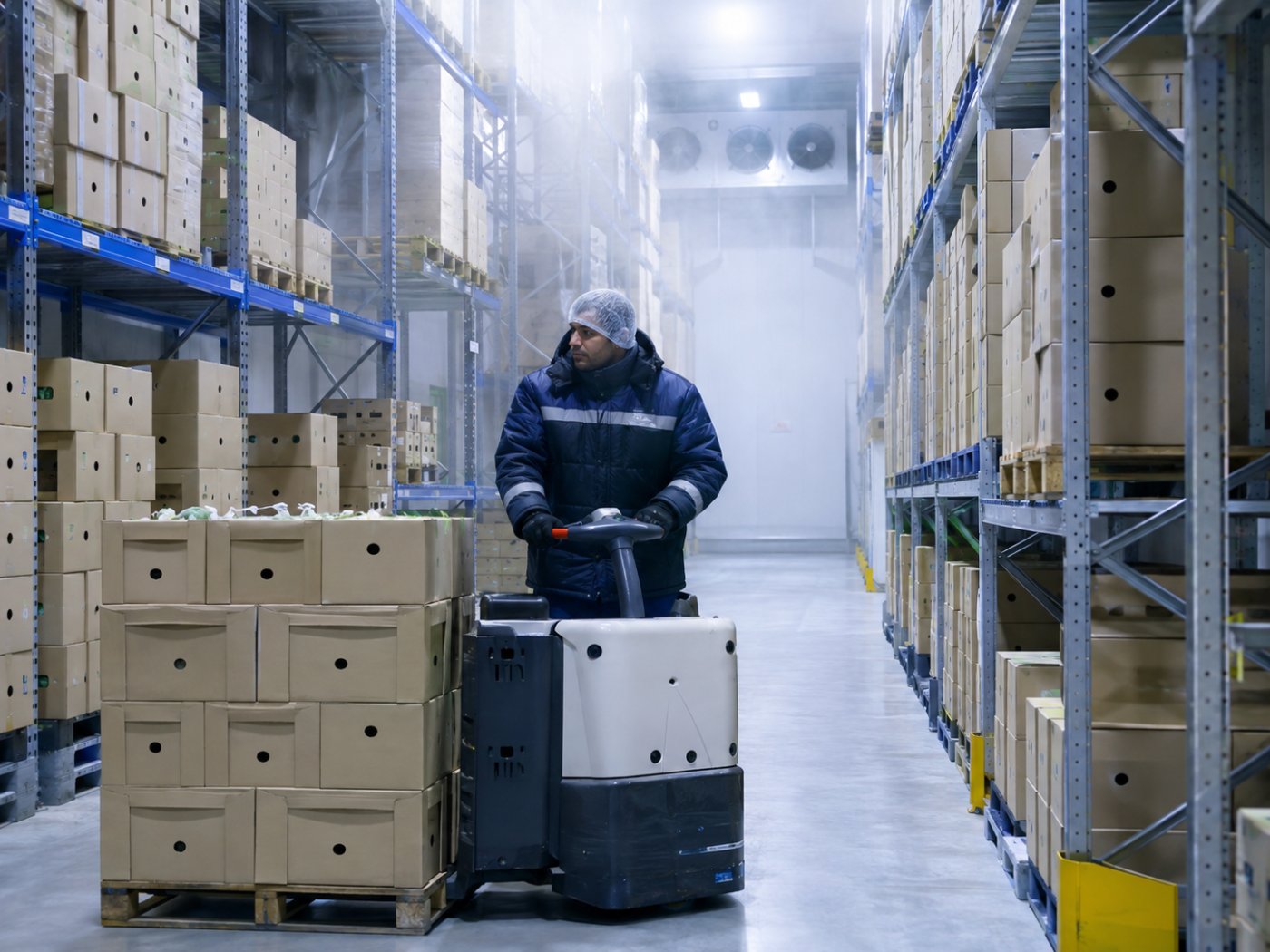
The three ways to split, compared
| Method | Where the split happens | Documents | Main cost driver | Works when |
|---|---|---|---|---|
| Origin split | Egypt, before stuffing | Two invoices, two packing lists, a house bill per consignee | Duplicated customs entries and document fees | The two addresses are separate legal importers |
| Destination cross-dock | Chilled facility near the discharge port | One import entry, then internal delivery notes | Handling fee per pallet plus onward chilled trucking | Both addresses are yours and in the same country |
| Split at your own site | Your warehouse, after full delivery | One import entry, nothing extra | Your own trunking run and labour | The second address is within a short drive |
The origin split is a customs decision, not a loading decision
Physically, separating your pallets into two groups at the Egyptian packhouse costs nothing. The complication is documentary. A shared container moves under one master bill of lading, and a single import entry at destination names a single importer of record. To land part of the goods with one company and part with another, you need a house bill per consignee issued by the forwarder, a separate commercial invoice and packing list for each, and two customs entries at destination. On an EU or UK arrival that also means the health certification and pre-notification have to line up with the split. The origin split makes sense when the two delivery addresses belong to two different companies. It rarely makes sense for two branches of the same business.
Tell us at the quotation stage if you want an origin split, not after confirmation. Once pallets are built and labelled to a single consignee, redoing the paperwork means rebuilding the pallets. Our note on how documents are split between part-load buyers on a shared container sets out which papers can be duplicated and which cannot.
Cross-docking: the option most buyers actually want
In a cross-dock split, the full consignment clears customs once in your name, is delivered to a chilled third-party facility near the port, and the pallets are separated there for onward delivery to two addresses. You pay a handling charge per pallet and a chilled line-haul for each leg. Nothing changes on the Egyptian side.
The thing to specify is the dock temperature. A pallet of citrus or greenhouse vegetables standing on a warm dock for an hour loses more shelf life than a full extra day of properly refrigerated sailing. Ask the facility for its dock temperature and its target handling time, in writing, and reject any operator who cannot answer. Also ask whether pallets will be broken down. If your two addresses need uneven quantities and the split runs through individual cartons rather than whole pallets, handling time and damage risk both rise sharply.
Splitting at your own warehouse
If the second address is within a couple of hours’ drive, take the whole delivery into your own cold room and trunk the second portion out yourself. There is one customs entry, no third-party handling fee, no unknown dock, and you inspect everything before it moves on. The cost is one internal transport run and the cold room space to stage it. For most mid-size buyers with two sites in the same region, this is both the cheapest and the lowest risk option, and it is the one worth pricing first.
When splitting is not worth it
Below about two pallets, a split usually costs more than it saves. Handling fees are charged per pallet or per movement regardless of how full the pallet is, and a second chilled delivery leg for half a pallet of product carries the same minimum charge as a full one. If the quantity for the second address is small, the better answer is to consolidate it into the next order for that site rather than pay twice on this one. Build the numbers into your per-carton landed cost before you decide, because a split that adds two handling movements can quietly erase the margin the part-load was meant to protect.
Peivana is an Egyptian exporter and consolidator, not a customs adviser. Import entry, health certification and pre-notification requirements are set by your destination authority. Confirm any split arrangement with your own customs broker before booking.
Planning a two-address delivery
Send us the two destinations, the quantity for each and whether they sit under the same company, and we will tell you which of the three splits fits and what it changes on the Egyptian side. WhatsApp +20 10 9911 1918.