
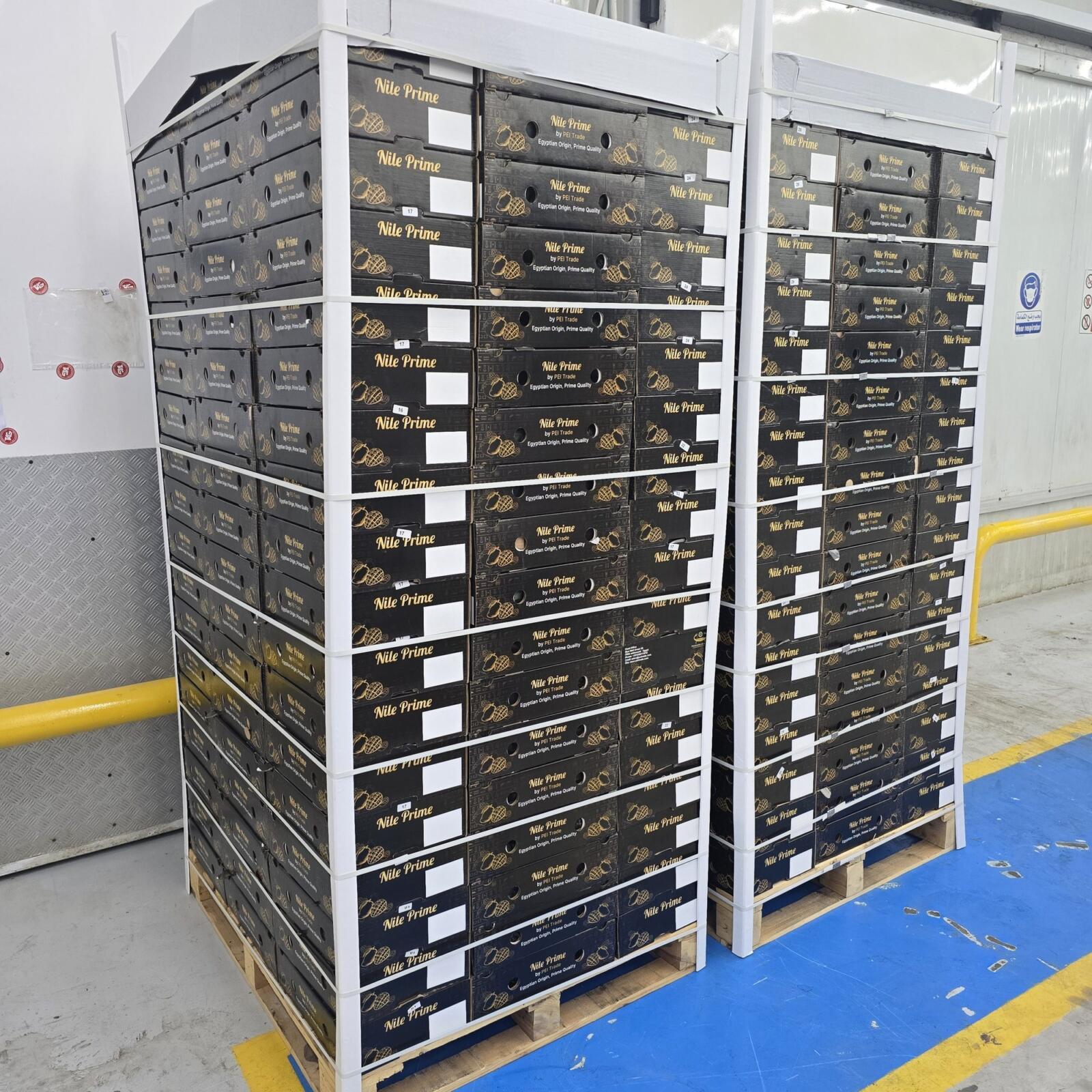
Most first-time importers budget for the invoice and are surprised by the calendar. The money on a part-load from Egypt leaves in two instalments weeks before the stock earns anything, and the gap between those two points is the number that decides whether a second order is comfortable or painful. It is worth building before the first RFQ, not after.
Where the money actually goes out
On a typical part-load the sequence runs like this. A deposit, commonly 30 percent, is paid at order confirmation, which is what secures the packing slot and the space on the container. The balance falls due against shipping documents, usually a copy bill of lading, before the originals are released to you. Freight sits inside the price on CFR or CIF and is paid separately on FOB. Then, after arrival, come the costs the invoice never mentions: destination terminal handling, customs clearance, duty and VAT where applicable, inspection fees, onward transport from the port to your warehouse, and any storage if the load waits.
Two of those land before the goods exist in your warehouse and the rest land before you have sold a carton.
Counting the weeks
Work backwards from the delivery week the way our note on part-load lead time from Egypt sets out, then add the selling period. A realistic count on a European lane looks like one to two weeks from RFQ to confirmation and deposit, one to two weeks to the packing and loading date, then the sailing days, then clearance and inland delivery, then however long your own customers take to pay. On a Mediterranean lane the deposit can be out for six to eight weeks before the first sales invoice is raised. On a Gulf or Asian lane, longer. Storage crops such as onion and garlic stretch it further because they are bought to hold.
Four ways to shorten the gap
- Order smaller and more often. Half-pallet quantities on a shared container cost more per carton but recycle cash faster, which for a growing distributor is usually the better trade.
- Ask for terms once a trading history exists. Nothing moves on a first order, but after several clean shipments a lower deposit or part payment against arrival is a reasonable conversation.
- Pre-sell the load. Fixing part of the volume with a customer before confirmation converts stock risk into a delivery commitment and pulls sales invoicing forward.
- Match the crop to your sell-through. Shelf life sets how long you can carry stock, and loading more than your rotation supports is a cash problem that presents as a quality problem.
The costs that surprise people
Bank charges on international transfers are deducted along the way, so the supplier may receive less than you sent and ask for the shortfall, a point covered in our note on bank charges and currency on a small Egyptian order. Currency movement between deposit and balance affects the total if you are buying in dollars and selling in another currency. And demurrage runs from the day free time expires, not from the day you notice, which is why clearance readiness matters more than clearance speed.
Ask for a quote
Peivana quotes per carton and per pallet with the payment milestones written into the offer, so the cash timeline is visible before anything is confirmed. For availability, pack formats, minimum quantities and a same-day quotation on Incoterms 2020 terms, message the desk on WhatsApp at +20 10 9911 1918.