A buyer taking two or three pallets from a supplier on the other side of the Mediterranean has one realistic moment of control, and it is the hour before the container doors close. Photographs taken at that moment are the cheapest quality assurance available on a small order. They are also routinely requested badly, which is why they so often fail to settle anything later.
The photographs worth asking for
Six sets cover almost everything a part-load buyer needs.
The fruit itself, out of the carton, on a clean surface, with something in frame for scale. Close enough to judge colour and finish and far enough back to see whether the sample is uniform. A single hero shot of the best three pieces proves nothing.
An open carton photographed from directly above, showing the count, the arrangement and the liner or tray. This is what tells you whether the count you ordered is the count that was packed.
The carton exterior showing the printed label, the lot code and the count marking. That image is what ties everything else to a traceable batch.
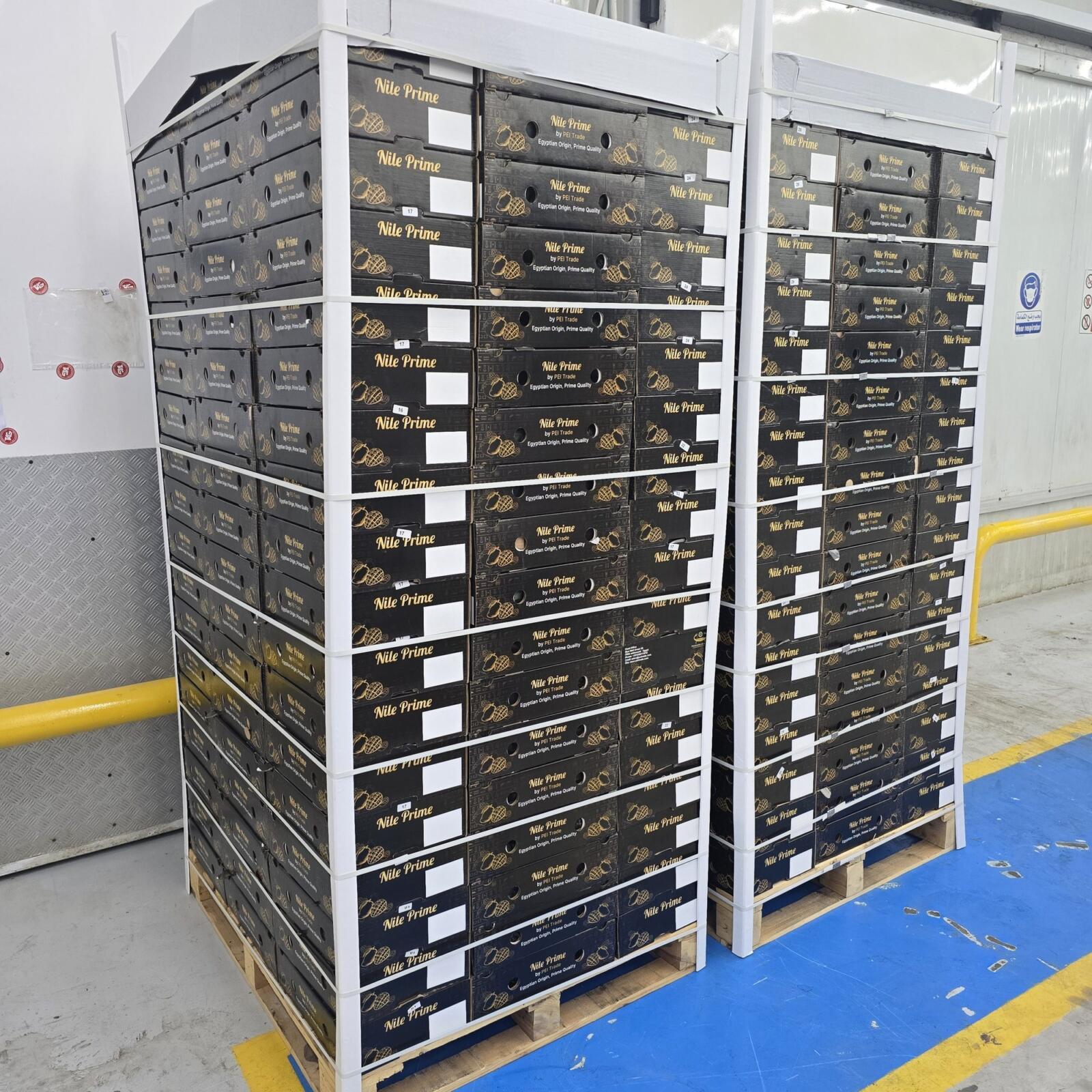
The completed pallet, front and side, showing the stack height, the corner protection and the strapping or wrap. Most arrival damage on part-loads is stacking damage, and this is the picture that shows whether it was likely.
The stow inside the container, taken before the doors close, showing how the pallets sit relative to each other and to the cargo of the other buyers sharing the box.
The reefer display showing the set point, and the closed door with the seal number legible. Our note on claiming on a part-load explains why that seal number matters if anything goes wrong later.
What the pictures prove and what they do not
Photographs establish condition at a moment and place. That is genuinely useful. If fruit arrives soft and the loading photographs show firm, well-coloured product in a correctly built stack at the right set point, the conversation moves to the voyage rather than to the packhouse. If the loading photographs already show a problem, you have caught it before you paid the freight.
What photographs cannot establish is internal quality, residue compliance, Brix, or the condition of the cartons you did not photograph. A picture of eight pieces of fruit is a sample of eight pieces. Treat it as an indicator, not as an inspection. For a first order into a demanding customer, a short independent inspection is worth the cost on top of the photographs, not instead of them.
Building approval into the order without losing the sailing
The risk with an approval step is that it collides with the port cut-off. The cargo has to be gated in by a fixed time, and a buyer who is asleep in another time zone when the photographs arrive can miss the vessel for everyone sharing the container.
Three things keep it workable. Agree in advance what an approval window looks like, for example photographs sent by a stated hour on the loading day with a response required within two hours. Agree what silence means, and it should mean approval rather than a hold, otherwise one unresponsive buyer rolls the whole box. And agree what a rejection triggers, whether that is repacking from another lot, a reduced quantity, or cancellation of that line while the rest of the load sails.
Set that out at order confirmation. Our piece on changing a part-load order after confirmation covers what can realistically still be altered at that stage.
Making it standard
Ask for the six photo sets on every order, not just the first one, and keep them filed against the lot code. The value compounds: after three or four shipments you have a visual baseline for what good looks like from that supplier, and a deviation becomes obvious rather than arguable.
Peivana sends loading documentation as standard on part-loads and quotes the same working day. To set up an order with a photo approval step, message the desk on WhatsApp at +20 10 9911 1918.