Certification is the part of a supplier conversation where buyers most often accept a logo instead of a document. A PDF arrives, it carries a familiar mark, and the enquiry moves on. For a half pallet of onions to a wholesale customer that may be fine. For anything heading into a retail account or a processing plant, the certificate needs to be read and checked, and it needs to be the right certificate for the question being asked.
What each certificate covers
GLOBALG.A.P certifies the farm, not the packhouse. It covers growing practice, plant protection product use, water, worker welfare and record keeping on a specific registered production site. Every certified producer carries a 13 digit GGN, and that number is the thing to ask for. It is the only way to confirm that the fruit in your carton came from the block the certificate describes rather than from a neighbouring farm.
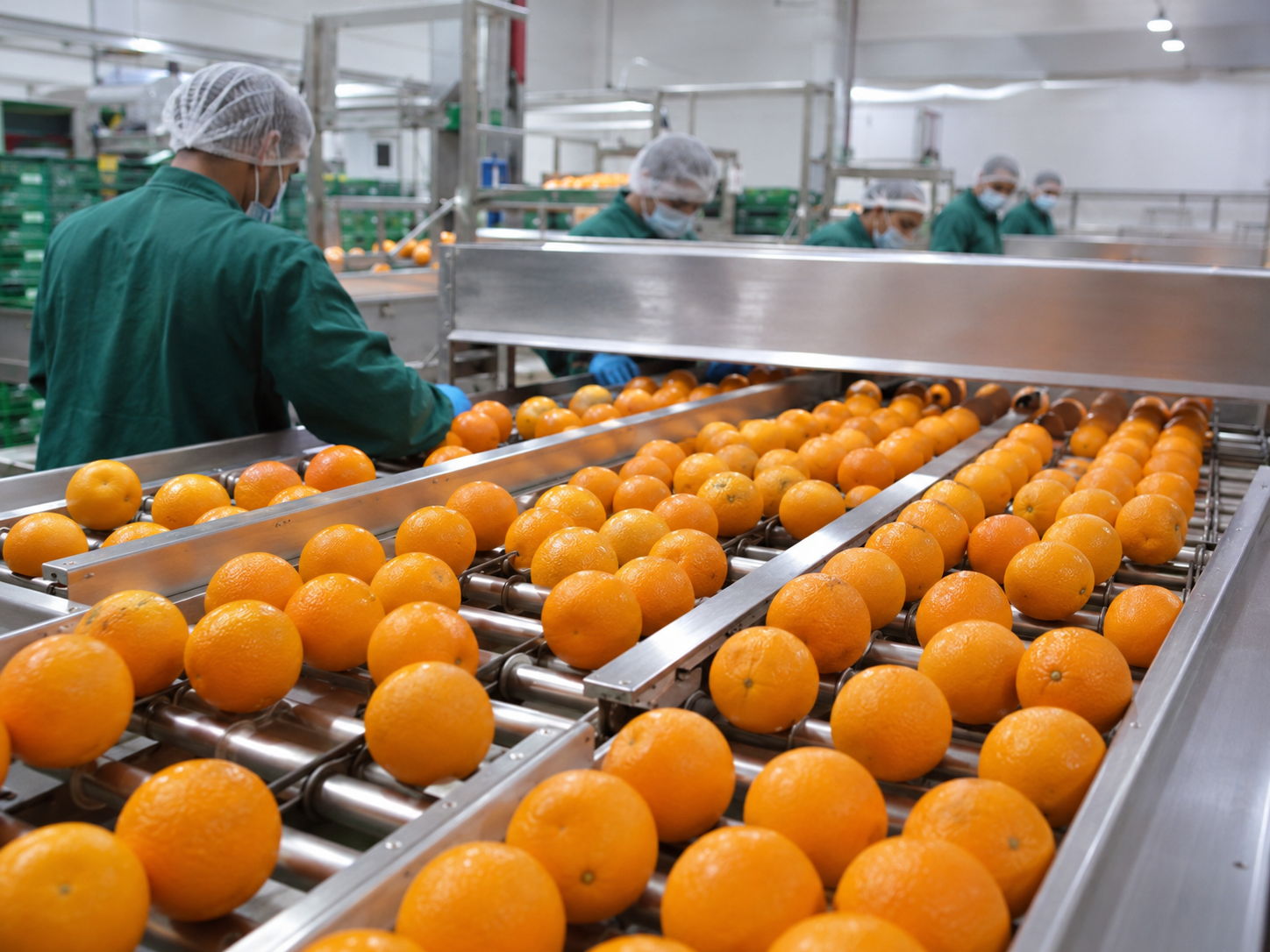
BRCGS Food Safety certifies the site that handles and packs. It applies to the packhouse or the processing plant and covers hygiene, HACCP, traceability, foreign body control and management systems. European and UK retail accounts generally require it on a supplying site. A grower with GLOBALG.A.P and no packhouse certification has only half the chain evidenced.
ISO 22000 and FSSC 22000 sit alongside BRCGS as food safety management standards and are accepted by some buyers in place of it. IFS Food serves the same purpose for much of the German and French trade.
Organic certification is a separate regime altogether. For the European Union it requires a certificate of inspection issued through the TRACES system for each consignment, not just an annual certificate from the control body. Without the consignment document the goods cannot be released as organic, whatever the supplier’s annual certificate says.
How to verify one
Do not accept a screenshot. Ask for the full certificate as a PDF and check four things: the exact legal name of the certified entity, the scope, meaning which products and which sites are listed, the validity dates, and the certificate or GGN number. Then verify the number in the scheme’s own public database. GLOBALG.A.P and BRCGS both publish searchable directories, and a genuine certificate takes under a minute to confirm.
Two failures are common and neither involves forgery. The certificate is real but expired, because renewal audits slip. Or the certificate is real and current but the scope does not include the product you are buying, which happens constantly where a grower is certified on citrus and quoting you pomegranate from a block that was never audited.
What a mid-size buyer actually needs
Match the requirement to the customer. Selling into wholesale markets and independent retail, GLOBALG.A.P with a verified GGN plus a packhouse food safety certificate is a sound baseline. Selling into supermarket supply, expect the retailer’s own approval process on top, which usually means BRCGS at the packing site and often an ethical audit such as SMETA as well. Selling to a processor, the plant’s own specification governs and may call for FSSC 22000.
Ask for certificates before the first order, not after a problem. They form part of the product specification, and our note on writing a product specification for a part-load shows where the clause belongs. If you are planning a supplier visit, the audit reports behind the certificates are worth asking to see in person, as set out in visiting an Egyptian supplier in one day.
Peivana supplies from GLOBALG.A.P certified growers and BRC certified packing sites, and will provide the certificate and GGN for any product before you order. To request the current documents, message us on WhatsApp at +20 10 9911 1918.