Mid-size buyers rarely have a week to spend in Egypt. What they usually have is one working day between flights, and that is enough if it is planned. A visit organised badly produces a tour, some tea and a folder of certificates. A visit organised well tells you whether the company you are dealing with actually packs and loads what it sells.
Travel inside a season, not between them
An idle packhouse tells you nothing. Go when the crop you buy is running. For citrus that means November to March, for mango June to August, for pomegranate September to November, for strawberry and winter vegetables December to February. If you buy across the calendar, pick the crop that matters most to your business and travel in that window.
Egypt works Sunday to Thursday, so a Friday visit finds the line down. Allow for that when you book.
Start at the line, not the office
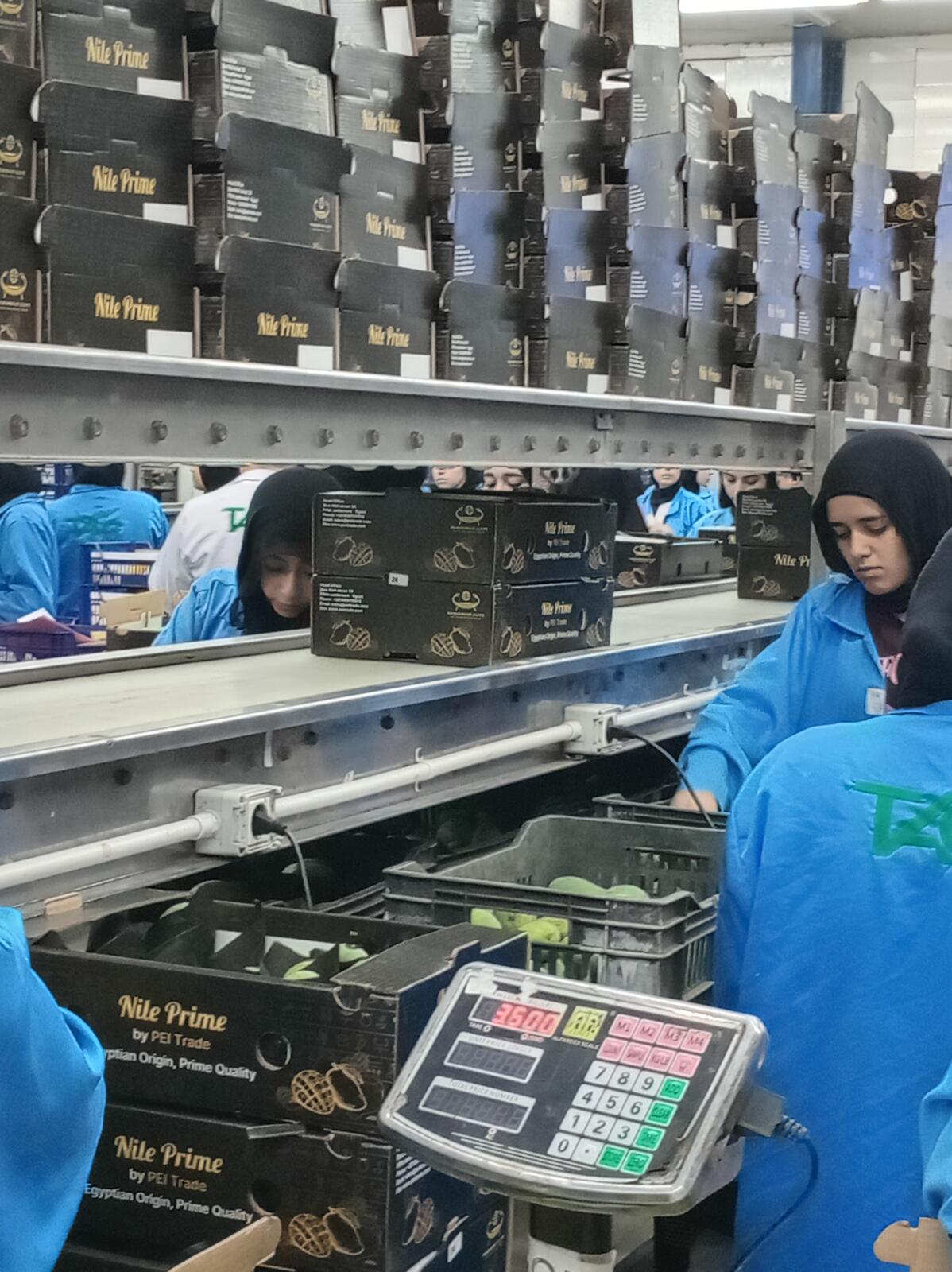
Ask to walk the packing line while it is running, from tipping through grading to palletising. You are looking for four things: whether fruit is handled or dropped, whether the grading is being done to a written standard or by mood, whether cartons are weighed and checked, and whether finished pallets go to cooling promptly or stand on the dock. That last point is the one most visits miss and the one that most affects your arrival condition.
Then the cold store
Look for room temperature displays, a chart or log with recent entries, and stock stacked with airflow between pallets rather than pushed wall to wall. Ask what the room is set to and check it against what is written on the door. Ask how long a pallet typically waits between packing and gate-in.
Read three sets of records
Certificates are the easy part. The GLOBALG.A.P and BRC certificates should be current, in the company name, and cover the sites you just walked through. What is more revealing is what sits behind them: the traceability records that link a carton lot code back to a farm block, the residue test reports from the last season, and the temperature download from a recent shipment. A company that can produce all three from a filing system rather than a search is one that runs its paperwork as a habit.
The questions that sort exporters from intermediaries
Ask which farms the fruit comes from and whether they are owned, contracted or bought on the open market. Ask who does the loading and where. Ask what happened on their last rejected or claimed shipment and how it was settled. Ask what they cannot supply. A supplier who names their limits is more useful than one who agrees to everything.
There is no wrong answer to whether they own the farms. Plenty of good exporters buy from contracted growers. The wrong answer is not knowing.
If you cannot travel
Most of this can be done at distance, imperfectly but usefully, with a live video walk through and a third party at loading. Our note on remote loading inspection sets out how that is arranged. The step after a visit is a small commitment rather than a large one, which is the point of a trial shipment.
Close the day with numbers
Finish in the office with a written offer: product, variety, grade, count, pack format, pallet configuration, port, Incoterm and shipment week. A day that ends with a specific quotation was a useful day. A day that ends with a promise to send something was a tour.
Peivana is GLOBALG.A.P and BRC certified, ships mixed containers from half-pallet lots and quotes the same day. To arrange a visit or a live walk through of the line, message us on WhatsApp at +20 10 9911 1918.