Frozen suits a mid-size buyer better than fresh does, and for a simple reason. A frozen part-load has no clock running against it. The shelf life is measured in months rather than selling days, so a rolled sailing costs you calendar time instead of stock. For buyers who have been nervous about committing to Egyptian supply, frozen is usually the easier first order.
What moves out of Egypt frozen
The volume lines are IQF strawberry, okra, molokhia, artichoke hearts and bottoms, green beans, peas, mixed vegetables and mango. Strawberry is graded by calibre and by whole, sliced or crumble, and the processing-grade fruit that sits below the fresh export standard is exactly what feeds the freezing line. Okra is sold whole in sizes commonly banded as extra small through large, and cut. Molokhia is minced and block frozen or IQF, and is a regional and diaspora line rather than a retail one in most European markets.
Artichoke crosses both worlds. If you are buying fresh heads as well, our note on artichoke part-loads covers the fresh side of the same window.
Formats and how a part-load is built
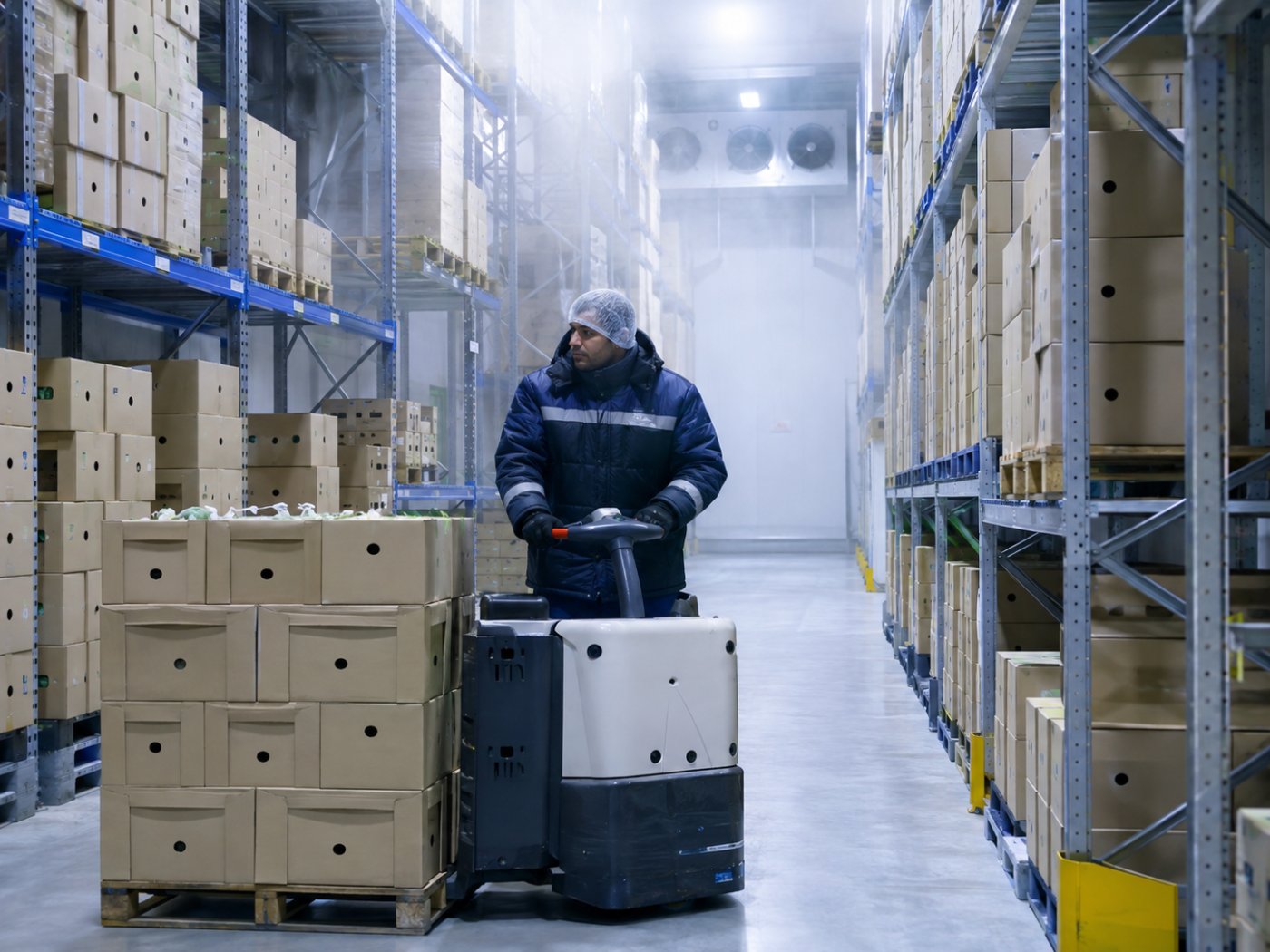
Bulk frozen ships in 10 kg and 20 kg cartons with an inner polyethylene liner. Retail packs run 400 g, 450 g, 750 g and 1 kg in printed film, cartoned for transport. A 10 kg carton on a 120 x 100 cm pallet typically gives 90 to 108 cartons per pallet, around 900 kg to 1.1 tonnes.
The practical minimum for a frozen part-load is one pallet of a single product and pack format. Below that the handling cost per kilo rises faster than the product saving, because every additional line means another production run on the packing line and another label. A workable first order is three to five pallets across two or three products, which leaves room in a shared container without making the run uneconomic.
Mixing frozen lines in one container
Frozen is simpler to mix than fresh because everything travels at the same set point, minus 18 degrees Celsius or colder, and there is no ethylene compatibility question. What still matters is stow order and strong odour. Keep molokhia and any strongly aromatic line away from strawberry and mango, ideally on separate pallets with film between them, because frozen fruit picks up odour over a long voyage.
Never combine frozen and chilled fresh product in one container. A single box cannot serve minus 18 and plus 4, and any proposal to do so should be refused. Mixing rules for fresh lines are covered separately in our note on temperature and ethylene compatibility.
What to specify and verify
Ask for four things on every frozen enquiry. First, the production date and the stated shelf life, normally 18 to 24 months from production at minus 18. Second, the microbiological and pesticide test results for the lot, not a generic certificate. Third, the freezing method, because IQF and block frozen behave completely differently on a customer’s line. Fourth, the loading temperature of the product itself, since fruit loaded at minus 12 will not recover in transit.
Our supplying plants work to GLOBALG.A.P on the raw material and BRCGS on the processing side, and the certificate scope should be read against the specific product you are buying. Our note on certification on a part-load explains what each certificate does and does not cover.
Ask for a frozen quotation
Tell us the products, the pack format and the quantity per line and we will come back the same day with availability and a price. WhatsApp +20 10 9911 1918.