Buyers regularly put three Egyptian offers side by side and pick the cheapest. It is the right instinct and often the wrong result, because two quotations for the same crop can differ by fifteen percent purely on what each one includes. A quotation is a specification with a price attached. Here is how to read one properly.
The Incoterm decides what you are actually comparing
Every offer should name a term from Incoterms 2020 followed by a named place. FOB Alexandria, CFR Nhava Sheva and CIF Jebel Ali are not variations of the same number. FOB stops at the ship’s rail and leaves freight and insurance with you. CFR includes ocean freight but not insurance. CIF adds minimum cover insurance. If one supplier quotes FOB and another quotes CFR, add the freight to the first before you compare, and check whether the CFR price is based on a current rate or an assumed one.
Validity and the price basis
An offer with no expiry date is not a real offer. Fresh produce prices move with harvest volume and freight availability, and a serious quotation states how long it stands, typically three to seven days in season. It should also state the currency and whether the price is per kilogram net, per carton, or per container. Per carton looks cheap when the carton is 4 kilograms and expensive when it is 10, so always convert to a per kilogram net basis before comparing.
The packing specification
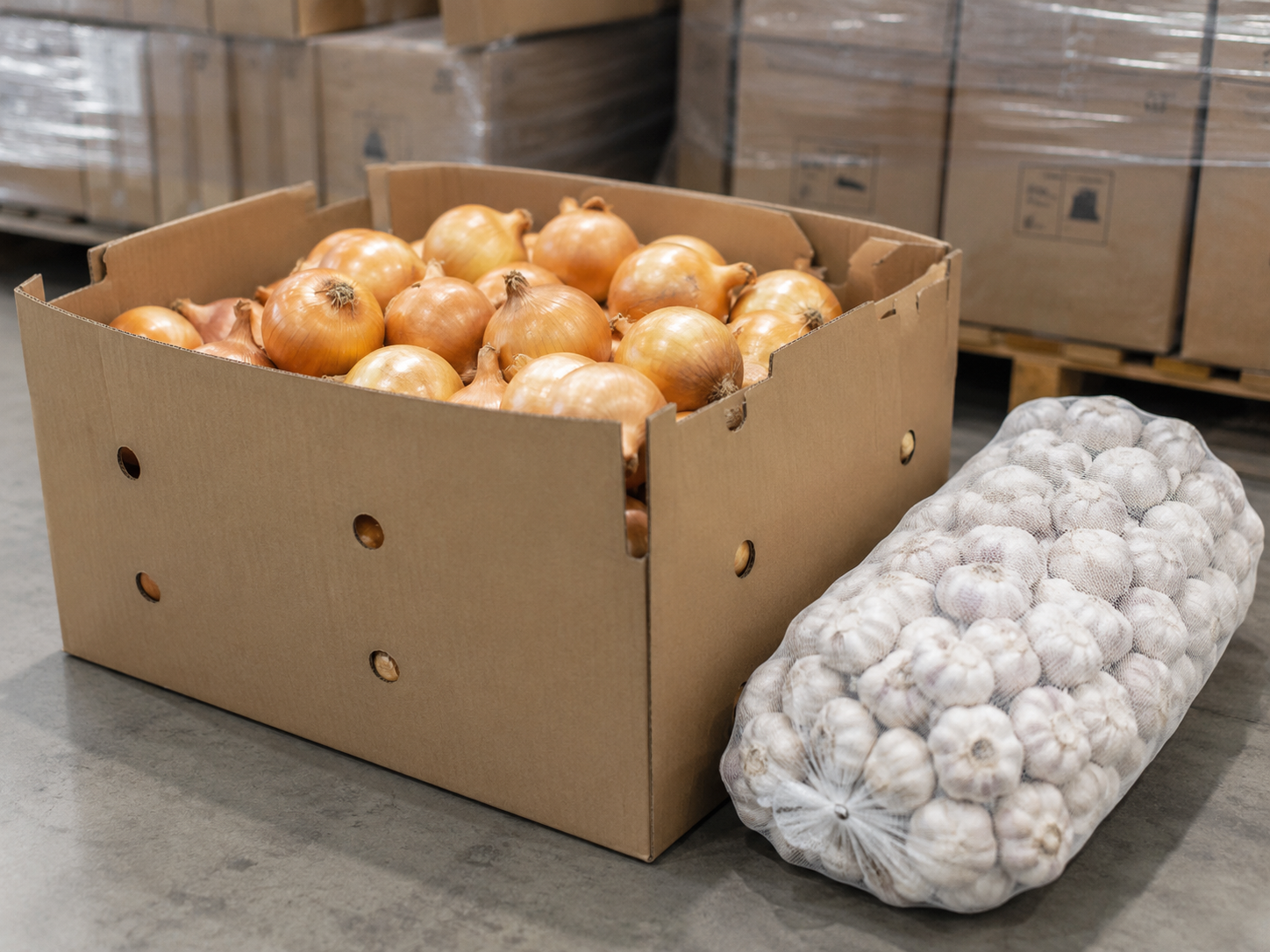
This is where most of the hidden difference sits. A complete packing line states the carton type and net weight, the count or size band inside it, whether individual sleeves, trays or liners are included, the cartons per pallet, the pallet type and dimensions, and the number of pallets per container. Two offers on the same fruit at the same price per kilogram are not equal if one includes printed cartons and foam sleeves and the other ships in plain generic boxes.
Grade, tolerance and certification
Class 1 is not a self explanatory term. The offer should name the grade standard being applied and the tolerance percentage allowed for defects. It should also list what certification travels with the goods. On our offers that means GLOBALG.A.P at farm level and BRC at the packhouse, plus the phytosanitary certificate, certificate of origin and packing list. If residue analysis or third party inspection is wanted, it belongs on the quotation as a priced line, not as an assumption.
Payment, loading window and minimum quantity
The offer should state the payment terms it is priced against, because a price quoted against thirty percent advance is not the same price as one quoted against a letter of credit at sight. Our note on payment terms for Egyptian produce orders sets out the common structures. The loading window matters equally. A price valid for a container loading next week is a different commitment from one loading in six weeks, and produce quotations should say which.
Finally, check the minimum order. Some exporters will only quote full container loads. We quote on partial pallets and mixed loads as well, which is usually the practical route for a first order. How that works is described in our note on same day quotes for trial and small orders.
Peivana issues written offers that carry all of the above on a single page, so they can be compared against anything else on your desk. Send us the crop, the size band, the destination port and the loading window on WhatsApp at +20 10 9911 1918 and we will return a full quotation the same working day.