A remote loading inspection is how a mid-size buyer verifies an Egyptian part-load without flying to the packhouse. On a half pallet of 40 to 60 cartons, sending a surveyor rarely makes commercial sense, so the evidence package has to do the work instead. Done properly it takes an hour of the exporter’s time and settles most of what a dispute would otherwise be about.
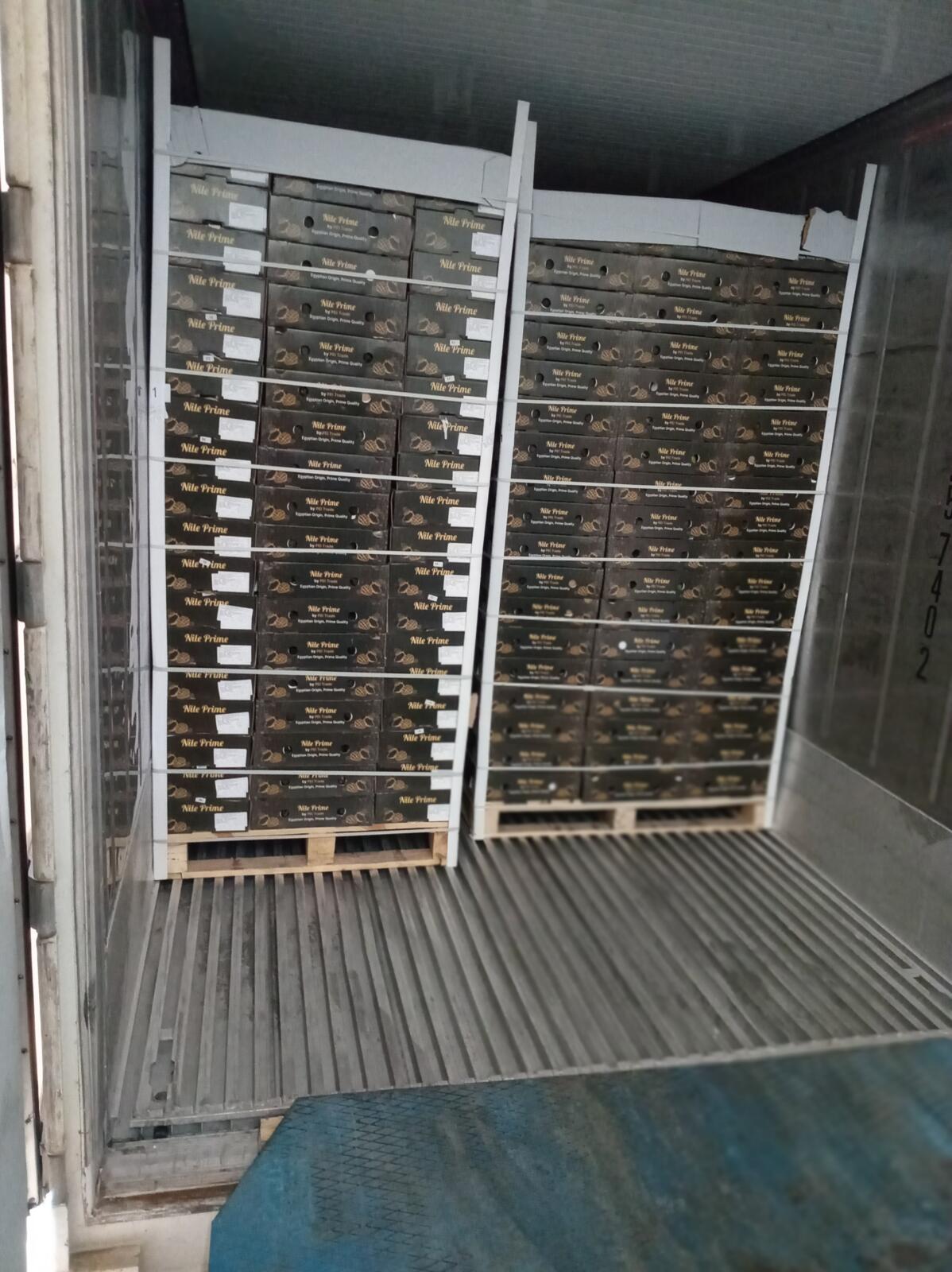
The evidence package to ask for
| Item | What it proves | What it does not |
|---|---|---|
| Open-carton photos, 5 per pallet | Count, size uniformity, colour, defect level | That the photographed cartons went in the box |
| Carton label close-up | Lot code, GGN, pack date, net weight declared | That the lot code traces to a real farm block |
| Scale photo with the carton on it | Actual net weight against declared | Weight of the rest of the pallet |
| Continuous loading video | Stowage pattern, pallet count, that your pallets went in | Contents of cartons already closed |
| Container and seal number photo | Chain of custody from gate-in onward | Anything about handling before loading |
| Reefer display photo at doors closed | Set point and supply air at departure | Pulp temperature of the fruit |
The one gap remote inspection cannot close
Photographs show the cartons that were opened. They cannot show the cartons that were not. That gap is closed by sampling method rather than by more images: agree in advance that the cartons to be opened are selected by you, by position, not by the packer. Naming positions such as second tier, corner and centre of each pallet costs nothing and changes what the photographs are worth. Pulp temperature is the second gap, and a probe reading photographed against the fruit closes it.
When a live video call beats a photo set
For a first order with a new supplier, a fifteen-minute live call at the loading dock is worth more than fifty photographs, because you choose what the camera looks at. Ask to see the pallet label, a carton opened at your instruction, the scale reading and the container interior before loading starts. Record the call with the exporter’s agreement. For repeat orders on a rolling programme, a standard photo set is usually enough.
When to pay for a third party instead
A third-party surveyor becomes worth the cost when the value on the pallet is high, when the destination market rejects on cosmetic grade, or when a previous shipment produced a dispute. Some inspection houses will attend a consolidation and cover several buyers’ pallets in one visit, which brings the cost per part-load down considerably. Ask your consolidator whether other buyers on the same container want the same thing.
None of this replaces a written specification. Evidence is only useful if there is an agreed standard to measure it against, which is why the specification comes first. The clauses that matter are set out in writing a product specification for an Egyptian part-load, and how a shortfall is then handled is covered in how a part-load claim is handled.
Peivana supplies a loading photo set and container and seal images on every part-load as standard, and will join a live video call at the dock on request. GLOBALG.A.P and BRC certified. Message +20 10 9911 1918 on WhatsApp with your products, volume and destination port for a same-day quote.
Peivana is the exporter, not a neutral reviewer. This describes normal practice on Egyptian part-loads and is not a substitute for your own contractual inspection rights.