
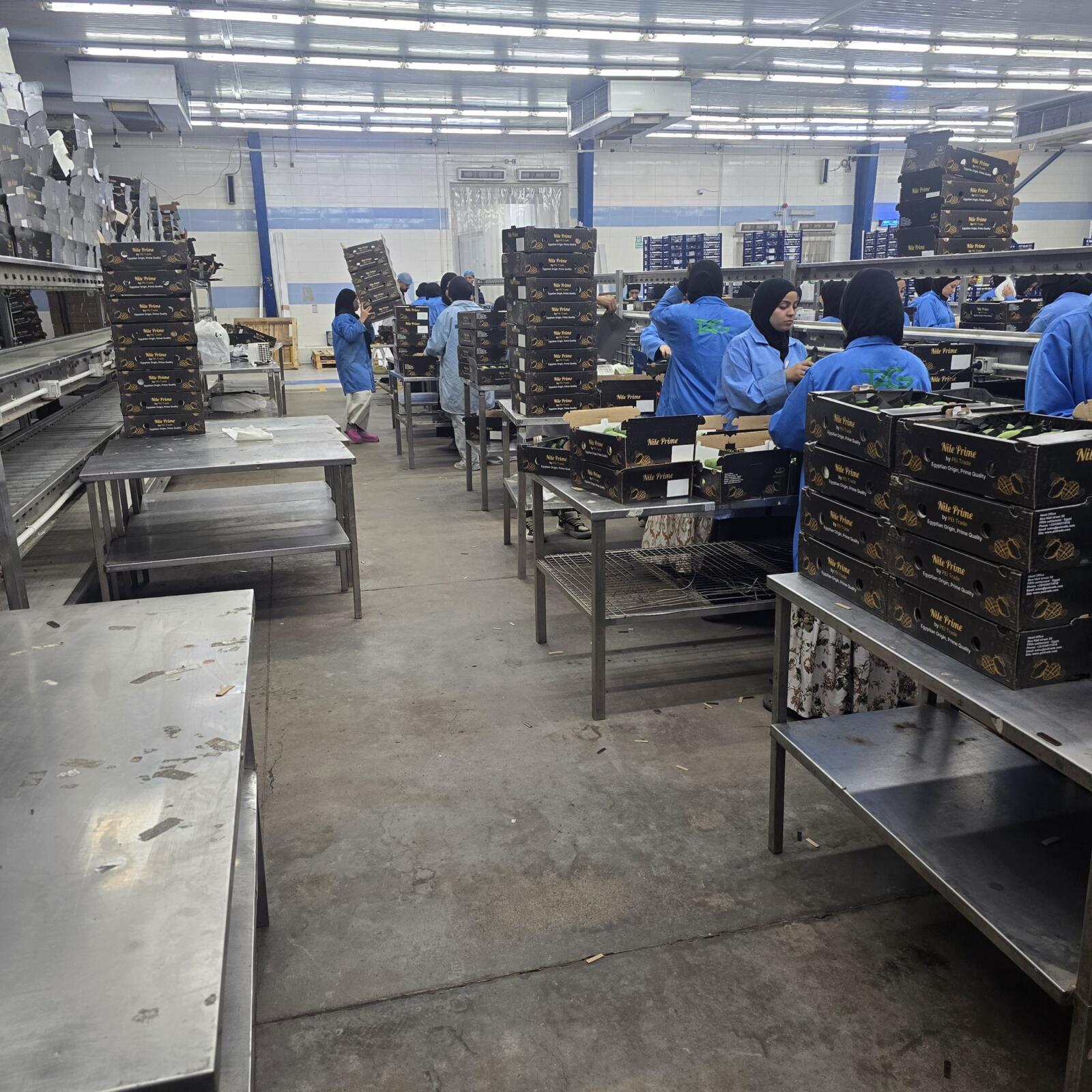
A packhouse running Class I fruit does not throw the rest away. Depending on the crop and the season, somewhere between a fifth and a third of what comes off the line does not make export Class I on appearance, size or shape, while being perfectly sound eating fruit. That volume goes somewhere, and for the right buyer it is a good purchase. For the wrong buyer it is a dispute waiting to happen.
What the grades actually mean
Class I fruit is good quality with the characteristic shape and colour of the variety, allowing only slight defects that do not affect appearance, keeping quality or presentation. Class II is the wider grade. The fruit must still be sound, clean and free of rot, but it may show defects of shape, colour development, skin blemish and healed scarring, provided it keeps its essential characteristics and its keeping quality.
Processing or industrial grade sits below both. Here the fruit is bought on internal content rather than looks: sugar, colour of the flesh, juice yield, absence of rot. Shape and skin blemish are largely irrelevant. What is never acceptable at any grade is decay, live pests, foreign matter or fruit that is unsound.
Where each grade goes
Class II is the working grade for wholesale markets, catering and independent retail where the price point matters more than a uniform display. Pomegranate for aril extraction, citrus for juicing, mango for pulp and freezing, tomato for paste and onion for dehydration all move as processing grade. Foodservice buyers who cut, peel or portion the product before it reaches the customer are often paying a premium for cosmetic quality they then remove with a knife.
The three things to fix in writing
First, define the defects you accept and the ones you do not, by name. Class II is a broad grade and two suppliers can read it very differently. Say whether healed scarring, sunburn, misshapen fruit, uneven colour or size mixing are in or out.
Second, agree the tolerance percentage and how it is measured on arrival. A defect tolerance without an inspection method is not a term, it is an opinion. Our note on writing a product specification for a part-load covers the clauses that hold up.
Third, agree the size and count position. Class II often runs smaller and more mixed than Class I. If your customer needs a consistent count, say so, because mixed sizing is one of the ways a Class II price gets cheap.
Points worth being honest about
Class II is not a way to buy Class I at a discount. It arrives looking like Class II. Shelf life can be shorter where the defect is a skin injury, because a scarred rind is a way in for decay, so plan sell-through faster rather than slower. And a processing-grade programme only works if you have processing capacity waiting, since the fruit will not hold while you find a buyer.
Volumes on the lower grades follow the Class I harvest, so availability is best in the middle of each crop window rather than at the tails.
Ordering it as a part-load
Lower grades are well suited to part-loads, because a half pallet is enough to test whether the grade works for your customer before you build a programme around it. The minimum order quantities by product are the same as for Class I.
Peivana is GLOBALG.A.P and BRC certified, builds mixed containers from half-pallet lots and quotes the same day. To ask what Class II or processing grade is available this month and at what count, message us on WhatsApp at +20 10 9911 1918.